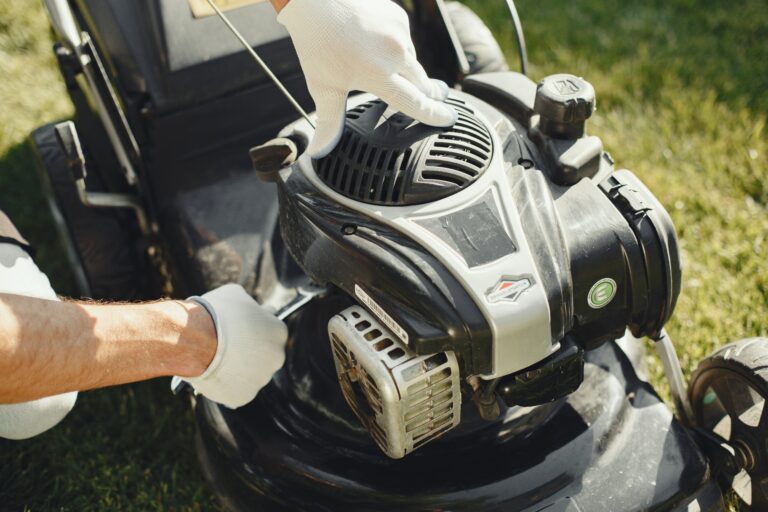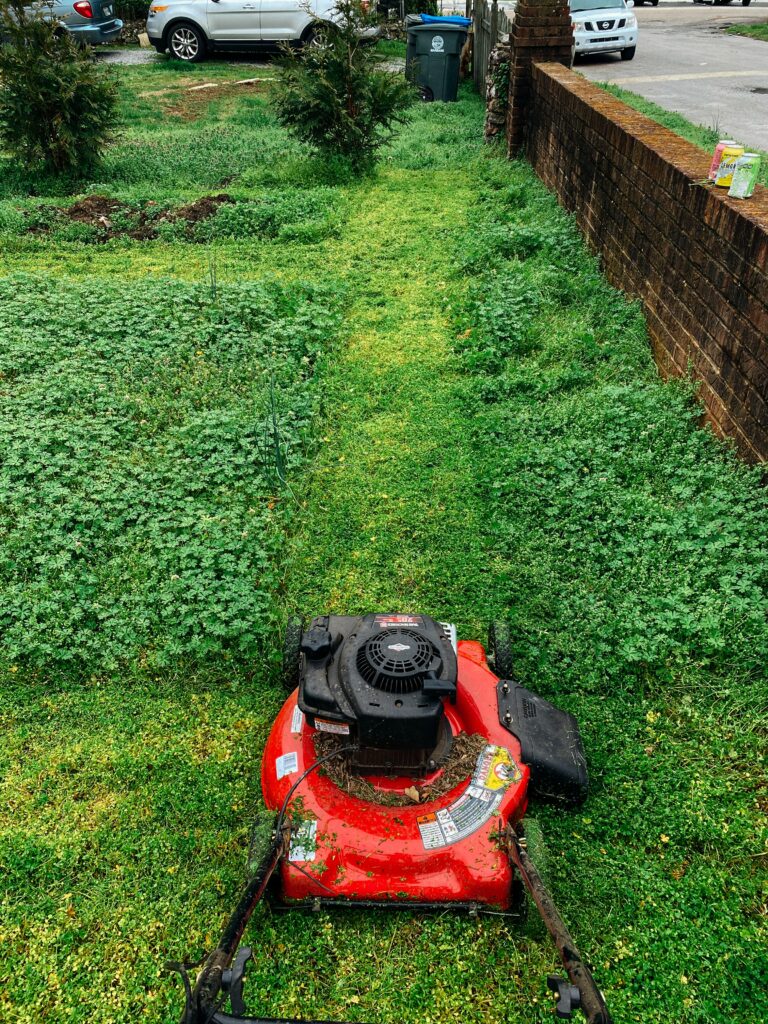

Hey there, it’s your pal Jeff here. I’ve got a funny story for you about old gas and lawn mowers. So, I was mowing my lawn the other day and I ran out of gas.
No big deal, right? I just went to the garage, grabbed a can of gas, and filled ‘er up. But here’s the thing – I didn’t realize that the gas in that can had been sitting in there for like, a year. And let me tell you, it was not a good time.
What Happens When You Use Old Gas in a Lawn Mower?
Long story short, my lawn mower sputtered and died within minutes of me using that old gas. And it wasn’t just because I was out of gas – it was because the gas had gone bad.
You see, over time, gasoline starts to break down and form all kinds of nasty stuff, like varnish and gum. And when that gunk gets into your lawn mower’s engine, it can cause all kinds of problems.
How Can You Tell if Your Gas is Too Old?
So, how can you tell if your gas is too old to use in your lawn mower? There are a few ways to check. First, you can try the “sniff test.”
Give the gas a good sniff – if it smells like chemicals or has a strong, unpleasant odor, it’s probably no good. You can also try the “float test.” Pour a small amount of gas into a clear container, and see if any weird-looking gunk floats to the top. If you see any weird stuff floating around, it’s time to ditch that gas.
What Should You Do if You Have Old Gas in Your Lawn Mower?
If you’ve got old gas in your lawn mower (or any other gas-powered equipment), here’s what you should do:
- Drain the old gas out of the tank.
- Fill the tank with fresh, high-quality gas.
- Run the lawn mower for a few minutes to help the fresh gas circulate through the system and get rid of any leftover old gas.
FAQ
Can Old Gas Damage a Lawn Mower?
Yes, old gas can definitely damage a lawn mower (or any other gas-powered equipment). When gasoline starts to break down, it can form all kinds of gunk that can clog up the engine and cause serious problems.
How Long Does Gas Last in a Lawn Mower?
Gas generally lasts about three to six months in a lawn mower (or other gas-powered equipment). After that, it starts to break down and can cause problems.
So, if you haven’t used your lawn mower in a while, it’s a good idea to drain the old gas out of the tank and fill it up with fresh gas before you start using it again.
Can You Mix Old and New Gas in a Lawn Mower?
Technically, you can mix old and new gas in a lawn mower. However, it’s generally not a good idea. The old gas can contain all kinds of gunk and contaminants that can clog up the engine and cause problems.
Plus, the old gas may not burn as well as fresh gas, which can lead to poor performance.
It’s generally best to drain the old gas out of the tank and fill it up with fresh, high-quality gas instead.
Conclusion: Don’t Let Old Gas Ruin Your Mow-Sesh
In conclusion, old gas can be a major bummer for your lawn mower (and your mow-sesh). So, if you’ve got some old gas hanging around, make sure to ditch it and refill your tank with fresh, high-quality gas before you start mowing.
Trust me, your lawn (and your lawn mower) will thank you.
Now go out there and give your lawn the cut it deserves, my grass-cutting friend!