
What’s goin’ on y’all, it’s your boy Jeff here to talk about mowin’ on hills. Now, I ain’t no expert on the matter, but I’ve definitely learned a thing or two from my own mishaps.
Like the time I tried to tackle a hill so steep, I practically did a backflip off the mower. True story. So listen up, because I don’t want any of you endin’ up on your head like I almost did.
The Importance of Slope Angle
First things first, it’s crucial to know the slope angle of your yard before firin’ up that mower. A slope is considered steep if it’s greater than 15 degrees, and let me tell ya, that can make a world of difference when it comes to mowin’.
Safety Measures
If you do have a steep slope to contend with, it’s important to take proper safety precautions. This means wearin’ closed-toe shoes, eye protection, and maybe even a hard hat if the slope is really rough. Trust me, a concussion ain’t worth the perfectly manicured lawn.
Mower Selection
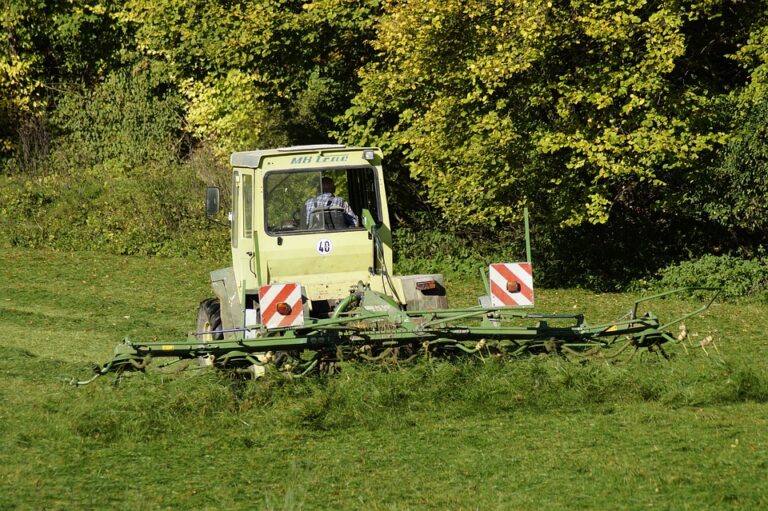
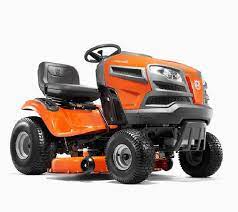
Now let’s talk about the actual mower itself. If you have a super steep slope, it’s probably best to steer clear of a traditional push mower. Instead, opt for a riding mower or a mower with high traction wheels. This will give you better control and stability on the incline.
Mowin’ Techniques
When it comes to actually mowin’ on a steep slope, there are a few techniques to keep in mind. Firstly, mow across the slope rather than up and down.
This helps to prevent erosion and will also give you a better view of what you’re doin’. Additionally, take it slow and steady. No need to rush and risk tumblin’ down the hill.
When to Say When
There may be some instances where it’s just not safe to mow on a particular slope. In these cases, it’s better to call in a professional lawn care service or consider re-landscapin’ to create a more manageable grade. Your safety is worth more than a perfectly trimmed lawn.
FAQs
Q: Can I use a zero turn mower on a steep slope?
A: While zero turn mowers are great for navigatin’ tight spaces and gettin’ a precise cut, they may not be the best choice for super steep slopes. It’s important to consult the manufacturer’s guidelines and use caution when operatin’ any mower on an incline.
Q: Is it okay to mow when it’s wet or raining?
A: In general, it’s not a good idea to mow when the grass is wet. The mower can have a harder time cuttin’ through the damp grass, and the slope could become slippery, makin’ it even more treacherous to navigate.
Wait for a dry day or mow in the early mornin’ when the dew has had a chance to evaporate.
Q: Can I use a cordless electric mower on a steep slope?
A: It’s possible to use a cordless electric mower on a steep slope, but it’s important to consider the power and run time of the mower.
If the slope is particularly long or steep, you may run out of power before the job is done. In these cases, it may be better to opt for a gas-powered mower or one with a longer run time.
The Bottom Line
In conclusion, mowin’ on a hill can be a bit of a challenge, but with the right precautions and equipment, it can be done safely and efficiently.
Just remember to take it slow, use proper safety gear, and choose the right mower for the job. And for the love of all that is holy, avoid doin’ any backflips off the mower. Trust me, it ain’t pretty.