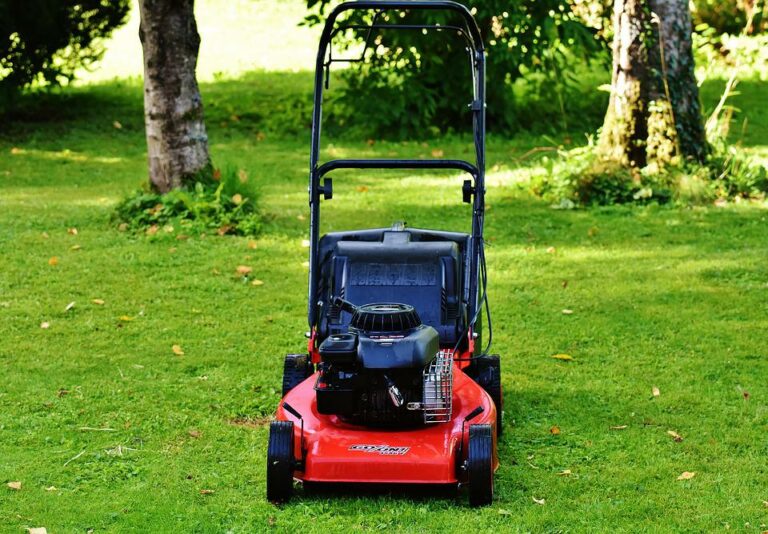

Hey there, it’s your friendly neighborhood lawn enthusiast, Jeff, here to talk about a common mistake that many of us have made at some point or another – leaving the choke on our lawn mowers on for too long.
I remember the first time I mowed the lawn as a new homeowner. I was so excited to get started that I completely forgot about the choke. I left it on the entire time I was mowing, thinking it would make the mower run better. Boy, was I wrong.
By the time I finished mowing, the engine was sputtering and struggling to run. I couldn’t figure out what was wrong until my neighbor, a seasoned lawn mower expert, pointed out that I had left the choke on the entire time.
Since then, I’ve learned a thing or two about the consequences of leaving the choke on for too long, and I’m here to share that knowledge with you.
What is the Choke on a Lawn Mower?
For those who might not be familiar, the choke on a lawn mower is a mechanism that restricts the flow of air into the carburetor. This allows the engine to get more fuel, making it easier to start.
What Happens if You Leave the Choke on Too Long?
So, what happens if you leave the choke on too long on a lawn mower? Here are a few consequences:
The engine can flood: If you leave the choke on for too long, it can cause the engine to flood, which means there’s too much fuel in the carburetor. This can make it difficult for the engine to run properly and can even cause damage.
The engine can struggle to run: If you leave the choke on, the engine might struggle to run and may sputter or stop.
The engine can overheat: If the engine is struggling to run, it can also overheat, which can cause damage.
FAQ
How do I know if I’ve left the choke on too long?
If you’re unsure whether you’ve left the choke on too long, there are a few signs to look out for:
- The engine is sputtering or struggling to run
- The engine is overheating
- There’s a strong gasoline smell
- If you notice any of these signs, it’s a good idea to turn off the choke and see if the issue resolves itself.
Can leaving the choke on for too long damage the lawn mower?
Yes, leaving the choke on for too long can cause damage to the lawn mower. As mentioned earlier, it can cause the engine to flood or overheat, which can lead to costly repairs.
How long should I leave the choke on?
In general, it’s a good idea to use the choke only when starting a cold engine or when starting a lawn mower that has been flooded. Once the engine starts running smoothly, it’s important to turn off the choke to avoid damaging the engine.
Conclusion: Don’t Choke Your Lawn Mower, Folks
In conclusion, it’s important to remember to turn off the choke on your lawn mower once the engine is running smoothly.
Leaving the choke on for too long can cause the engine to flood, struggle to run, or overheat, which can lead to costly repairs. So the next time you’re mowing the lawn, make sure to give your mower some breathing room by turning off the choke. Happy mowing!