
Yo yo yo, it’s your boy Jeff comin’ atcha with some crucial info about mowin’ hills with a zero turn mower.
Now, I ain’t gonna sugarcoat it: these babies can handle some seriously steep terrain. But just ’cause you can, doesn’t mean you should.
Here’s what you need to know about stayin’ safe on the slopes with a zero turn mower.
Slope Angle Matters
As with any type of mower, the slope angle is a crucial factor to consider when mowin’ a hill with a zero turn.
A slope is considered steep if it’s greater than 15 degrees. Anything above that, and you’re gettin’ into some seriously treacherous territory. It’s important to measure the slope angle before you even think about startin’ the mower.
Manufacturer’s Guidelines
Before mowin’ a hill with a zero turn mower, it’s essential to consult the manufacturer’s guidelines. Different models may have different capabilities when it comes to mowin’ on an incline. Make sure you’re aware of any limitations or special instructions for mowin’ on a slope.
Safety Measures
No matter what type of mower you’re using, it’s crucial to take proper safety precautions when mowin’ a hill.
This means wearin’ closed-toe shoes, eye protection, and maybe even a hard hat if the slope is really rough. And always make sure to follow the manufacturer’s guidelines and use caution when operatin’ any mower on an incline.
Mowin’ Across the Slope
One way to avoid the up or down debate altogether is to mow across the slope. This helps to prevent erosion and also gives you a better view of what you’re doin’. Additionally, it puts less strain on the mower and is generally safer for the person operatin’ it.
When to Say When
There may be some instances where it just isn’t safe to mow a hill with a zero turn mower, no matter how much you wanna get that lawn lookin’ fresh and clean. If the slope is too steep or the terrain is too rough, it might be best to call in the pros or consider re-landscapin’ for a more manageable grade.
FAQ
Can I use a regular lawn mower on a hill?
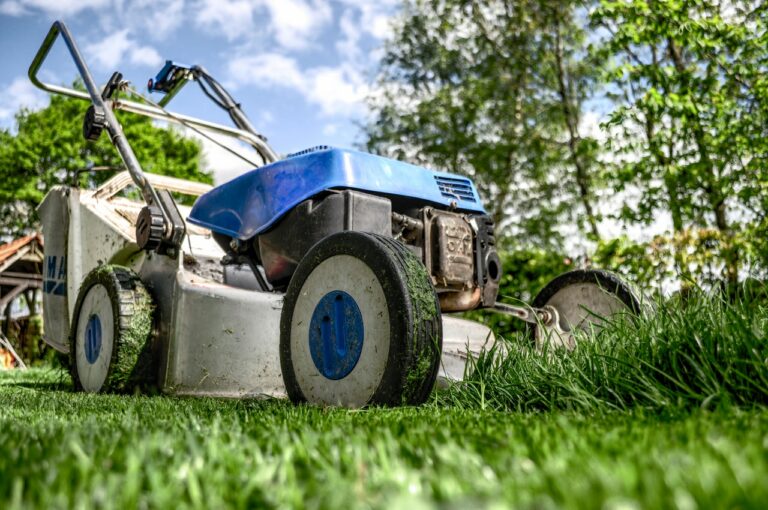
While it is possible to use a regular lawn mower on a hill, it’s generally not recommended. Lawn mowers are designed for flat terrain, and using one on a slope can be dangerous and put unnecessary strain on the machine.
If you do choose to mow a hill with a regular lawn mower, make sure to take proper safety precautions and follow the manufacturer’s guidelines.
What’s the difference between a zero turn mower and a regular lawn mower?
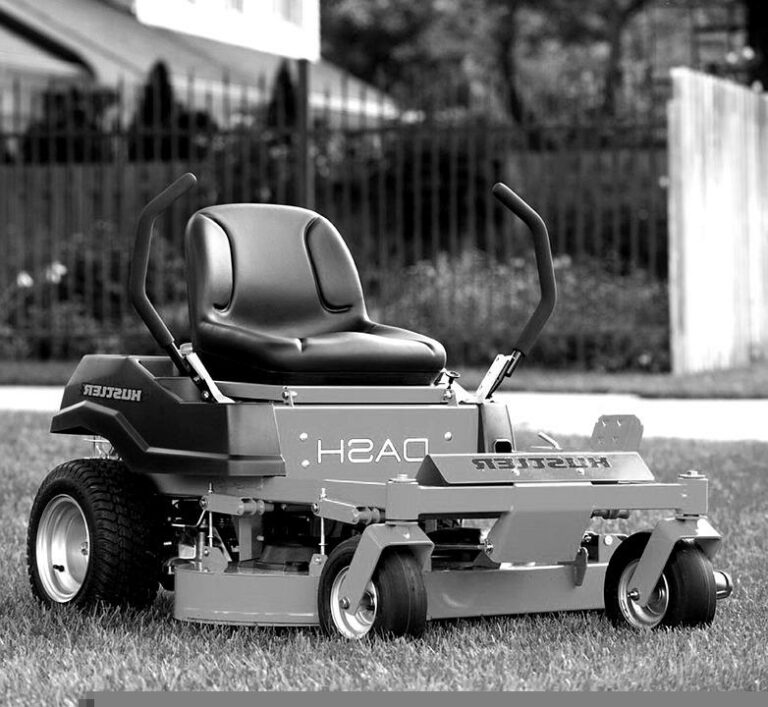
Zero turn mowers are designed for greater maneuverability and can make precise turns, making them ideal for mowin’ around obstacles and tight spaces. They also have a higher top speed and are generally more powerful than regular lawn mowers. However, they are not suitable for mowin’ steep slopes and should only be used on flat or gently sloping terrain.
The Bottom Line
In conclusion, zero turn mowers can be great for mowin’ a hill, as long as you take the necessary precautions and follow the manufacturer’s guidelines.
But if the slope is too steep, it’s better to call in the pros or consider re-landscapin’ for a more manageable grade. Happy and safe mowin’!