
Hey y’all, it’s your boy Jeff here. I remember the first time I tried using my walk behind mower on a hill.
I was a little skeptical, but to my surprise, it handled the slope like a champ. So, the question is, are walk behind mowers good on hills? Let’s find out.
What is a Walk Behind Mower?
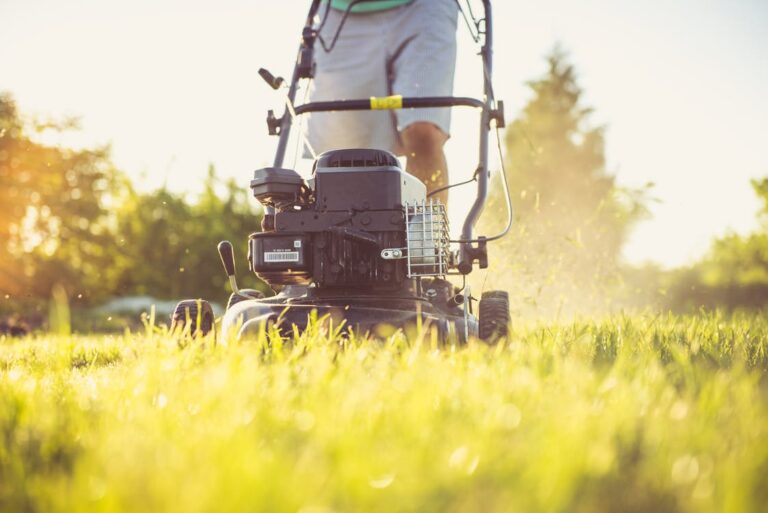
Before we dive into hills, let’s talk about what a walk behind mower is. These bad boys are a type of lawn mower that you push around, rather than ride on. They’re typically used by homeowners with smaller lawns or those who prefer a little more exercise.
Walking on the Wild Side
So, back to the question at hand. Are walk behind mowers good on hills? The answer is, it depends on the specific model and its features.
Generally speaking, most walk behind mowers are able to handle gentle slopes without too much difficulty. This is due to their sturdy frames and high-lift blades, which allow them to cut through the grass and handle the incline.
However, if you have a walk behind mower with a low-lift blade and a flimsy frame, it might struggle on steeper hills. This can lead to an uneven cut and even some damage to your mower.
Safety First
It’s important to note that mowing on hills, no matter what type of mower you’re using, can be dangerous.
It’s always a good idea to use caution and follow all safety guidelines. If you’re not comfortable mowing on a hill, it might be best to hire a professional lawn care service to handle the job.
What are Walk Behind Mowers Good For?
Walk behind mowers are a great option for homeowners with smaller lawns or those who prefer a little more exercise. They’re easy to maneuver and can handle gentle slopes with ease. However, if you have a larger lawn or a steep hill, a walk behind mower might not be the best choice.
What Kind of Lawn Mower Do I Need for Hills?
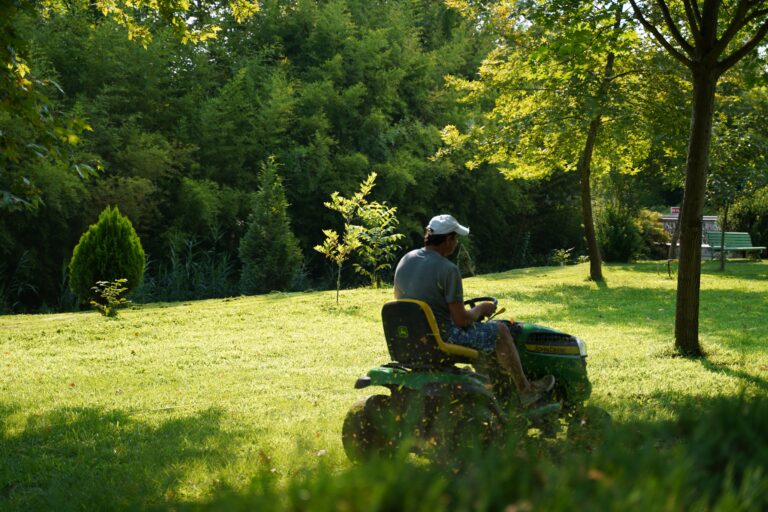
If you have a large lawn with steep hills, a zero turn mower or a riding mower might be a better option. These types of mowers are equipped with sturdy frames and high-lift blades, making them able to handle hills with ease.
However, it’s always a good idea to check with the manufacturer or refer to the specific model’s guidelines to see if it’s suitable for your lawn.
If you’re not comfortable mowing on hills, it might be best to hire a professional lawn care service to handle the job.
FAQ
Can I use a walk behind mower on a really steep hill?
It’s generally not recommended to use a walk behind mower on a really steep hill.
The incline can be too much for the mower to handle, leading to an uneven cut and even damaging the mower. If you have a really steep hill, it’s best to hire a professional lawn care service to handle the job.
What if my walk behind mower starts to slide on a hill?
If your walk behind mower starts to slide on a hill, the first thing you should do is stop the mower and assess the situation.
If it’s safe to do so, try to turn the mower around and mow in the opposite direction. If the slope is too steep or the mower is in danger of flipping over, it’s best to call it quits and hire a professional.
The Final Word
So, there you have it folks. Most walk behind mowers are able to handle gentle slopes with ease thanks to their sturdy frames and high-lift blades.
Just be sure to use caution and follow all safety guidelines when mowing on a hill. Happy mowing!