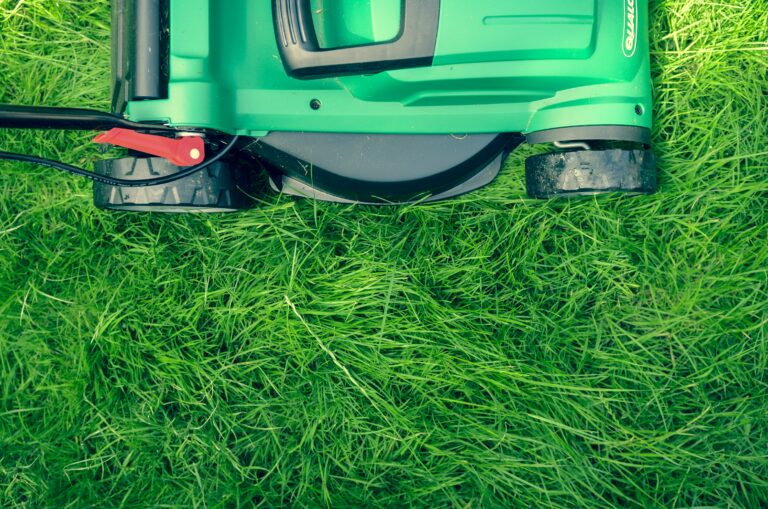

Hey there! My name’s Jeff and I’ve got a funny little story to share with y’all about walk behind mowers. So, I used to live in this super old house with a tiny lawn. It was so small that I figured a push mower would be the perfect fit.
Well, let me tell you, it was a total disaster. I spent more time struggling to push that darn mower around than I did actually mowing the lawn. And don’t even get me started on the fact that I had to constantly stop and empty the grass clippings.
After that nightmare of a mowing experience, I made the switch to a walk behind mower and never looked back. It made mowing the lawn a breeze and I could cover a lot more ground in a shorter amount of time.
So, that’s why I use a walk behind mower. But why do others choose to use them? Let’s dive into it.
What is a Walk Behind Mower?
First things first, let’s define what a walk behind mower is. Simply put, it’s a lawn mower that you walk behind as it cuts the grass. They come in a variety of sizes and styles, including push mowers and self-propelled mowers.
Advantages of Walk Behind Mowers
There are several reasons why people choose to use walk behind mowers over other types of lawn mowers:
- They’re easier to maneuver: Because you’re walking behind the mower, you have more control over its direction and movement. This makes them great for tight corners and small spaces.
- They’re lightweight and easy to store: Walk behind mowers are generally lighter and smaller than other types of mowers, making them easy to store in a shed or garage.
- They’re budget-friendly: In general, walk behind mowers are more affordable than other types of mowers. This makes them a great option for those on a budget.
What is the Point of a Walk Behind Mower?
So, what’s the point of using a walk behind mower? Essentially, they’re a convenient and efficient tool for keeping your lawn looking nice and tidy.
They’re perfect for small lawns and for those who don’t want to deal with the hassle of a gas-powered mower. Plus, they’re easy to use and maintain, making them a popular choice for homeowners.
FAQ
What size lawn is suitable for a walk behind mower?
Walk behind mowers are great for small to medium sized lawns. If you have a larger lawn, you may want to consider a riding mower or a zero turn mower.
Are walk behind mowers good for hills?
It depends on the specific mower and the incline of the hill. Some walk behind mowers are designed to handle hills better than others.
It’s important to consult the owner’s manual or do some research before mowing a hill with a walk behind mower. In general, it’s best to mow up and down hills rather than side to side to avoid tipping.
What is the difference between a push mower and a self-propelled mower?
The main difference between a push mower and a self-propelled mower is that a self-propelled mower has a built-in motor that propels the mower forward, while a push mower requires you to physically push it across the lawn.
Self-propelled mowers can be easier to use and may be a better choice for those with mobility issues, but they’re also generally more expensive.
Conclusion: Walk Behind Mowers are a Convenient Choice
In conclusion, walk behind mowers are a convenient and budget-friendly choice for small to medium sized lawns. They’re easy to maneuver, lightweight, and simple to store. Plus, they offer a variety of styles to choose from, including push mowers and self-propelled mowers.
So, if you’re in the market for a new lawn mower, give a walk behind mower a shot! You might just find it to be the perfect fit for your lawn care needs.