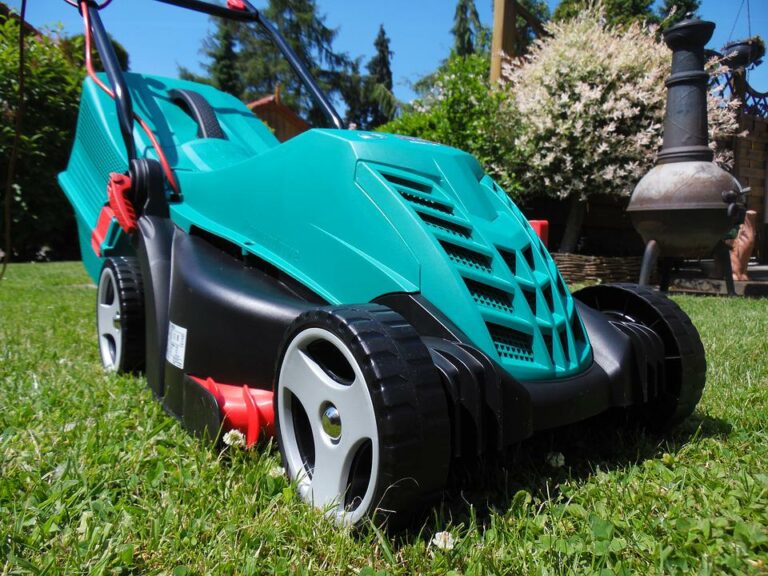

As a self-proclaimed “lawn care enthusiast,” I’ve spent many hours tinkering with my lawn mower and snowblower, trying to keep them running smoothly.
Along the way, I’ve had my fair share of mishaps and ridiculous moments. So, if you’re looking for a good laugh and some potentially useful information about dry gas and its various uses, you’ve come to the right place.
Can you put dry gas in a lawnmower?
This is a question I’ve asked myself many times, usually as I’m staring at a can of dry gas in my garage, trying to decide whether or not to use it in my trusty lawn mower.
And the answer is… drumroll please… yes, you can put dry gas in a lawn mower!
Now, I know what you might be thinking. “But wait, isn’t dry gas just a fancy way of saying ‘old gas’? Won’t that mess up my lawn mower?” Well, here’s the thing. Dry gas is actually a fuel stabilizer that helps prevent gasoline from going stale and clogging up the carburetor.
It also helps prevent rust and corrosion in the fuel system. So, if you’re like me and you have a tendency to let your gas go a little stale before using it up (I mean, who doesn’t?), dry gas might be your new best friend.
Just be sure to follow the instructions on the package and only use the recommended amount of dry gas. You don’t want to overdo it and end up with a lawn mower that won’t start. Trust me, I’ve learned this lesson the hard way.
Can you run a lawn mower dry?
I’ll be the first to admit that I’ve made this mistake before. You know how it goes – you’re mowing the lawn, having a great time, and suddenly the gas runs out.
You panic, wondering how much longer you have until the mower sputters to a stop. And then, before you know it, the mower dies. You’ve run it dry.
Well, let me tell you, running a lawn mower dry is not a good idea. Not only will it cause the mower to stall and potentially malfunction, but it can also damage the fuel system and void the warranty.
So, if you find yourself in this predicament, my advice is to suck it up and push the mower back to the garage (or, if you’re feeling lazy, just leave it there and tell your partner you “accidentally” ran out of gas). Trust me, it’s worth it in the long run.
Can you use Dry gas in a snowblower?
Ah, the snowblower. One of the most important tools in a northern-dweller’s winter arsenal. And, just like with a lawn mower, you can use dry gas in a snowblower to help keep the fuel system running smoothly.
Now, I’ll be the first to admit that I don’t use my snowblower all that often. In fact, I think I’ve used it a grand total of twice in the past five years. But when I do use it, I like to make sure everything is running smoothly. And that includes adding a little bit of dry gas to the fuel tank.
Again, just be sure to follow the instructions on the package and only use the recommended amount of dry gas. You don’t want to end up with a snowblower that won’t start (or, even worse, one that starts and then immediately explodes).
In conclusion, dry gas can be a useful tool for maintaining the fuel system in seasonal vehicles like lawn mower.