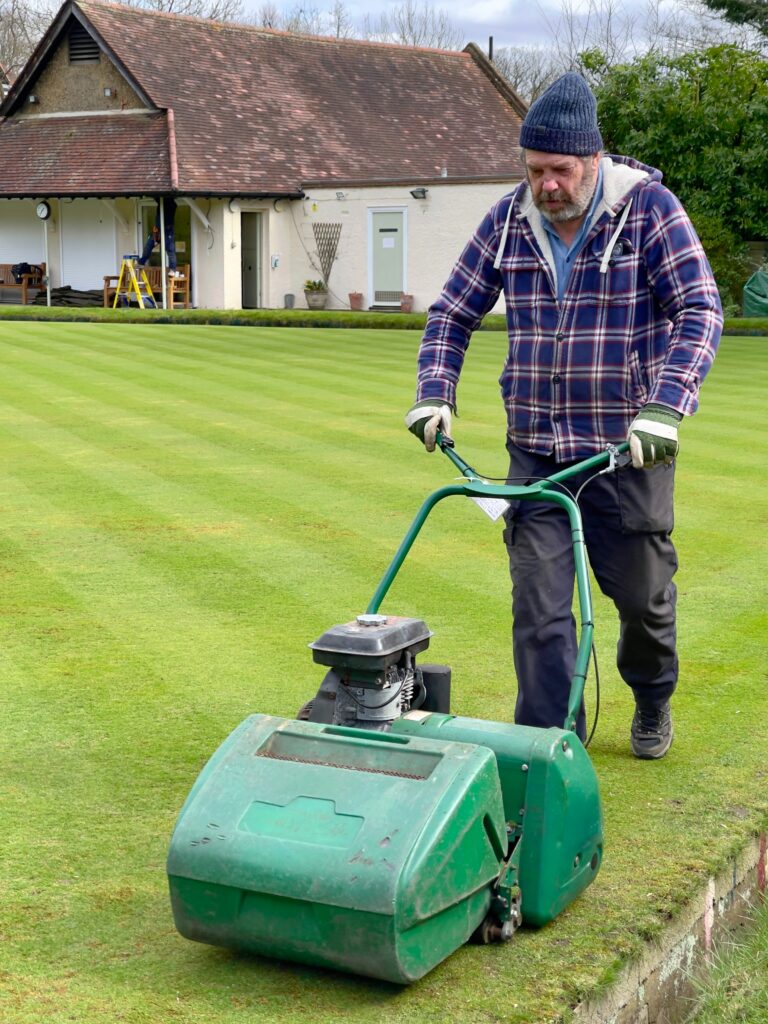

Hey there, it’s your boy Jeff here. I’ve been mowing my lawn for years, and let me tell you, I’ve tried just about every mowing pattern under the sun.
I’ve gone straight lines, diagonal lines, circles, you name it. But, I’ve finally found a mowing pattern that works best for me and my lawn.
So, I figured I’d share my tips and tricks for finding the best mowing pattern for your particular lawn. Let’s get into it.
Different Mowing Patterns
There are a few different mowing patterns to choose from:
- Straight lines
- Diagonal lines
- Circles
- Zig zags
Each of these patterns has its own pros and cons, and it really comes down to personal preference and what works best for your particular lawn.
Some people prefer straight lines because they’re easy to follow and give the lawn a neat, orderly appearance. Others prefer diagonal lines or circles because they add a bit of visual interest to the lawn. And some people like zig zags because they’re a bit more playful and fun.
What’s The Most Efficient Pattern?
When it comes to efficiency, straight lines are generally considered the most efficient mowing pattern. They’re easy to follow, and you won’t have to backtrack as much, which can save you time and energy.
Plus, straight lines give the lawn a neat, orderly appearance, which is always a plus.
What’s The Correct Way To Mow A Lawn?
When it comes to mowing a lawn, there are a few general guidelines to follow:
- Mow when the grass is dry
- Mow at the right height
- Mow in the right direction
It’s best to mow when the grass is dry, since wet grass can clump and leave unsightly clumps on the lawn.
Make sure to mow at the right height for your particular lawn, as well. And, it’s usually best to mow in the direction of the grass growth, as this can help prevent scalping and give the lawn a neater appearance.
FAQ
Q: What is the most efficient pattern to mow a lawn?
A: Straight lines are generally considered the most efficient mowing pattern, as they’re easy to follow and don’t require much backtracking.
Plus, they give the lawn a neat, orderly appearance.
Q: What is the correct way to mow a lawn?
A: To mow a lawn correctly, make sure to mow when the grass is dry, mow at the right height for your particular lawn, and mow in the direction of the grass growth.
These general guidelines will help ensure a clean, neat cut and a healthy lawn.
Q: Can I use any type of oil for my mower?
A: It’s important to use the right type of oil for your mower. Check the owner’s manual to find out what type of oil is recommended for your specific model. Using the wrong type of oil can cause problems with your mower and may void the warranty.
Conclusion: Find Your Groove
So, there you have it. A few tips and tricks for finding the best mowing pattern for your particular lawn.
Whether you prefer straight lines, diagonal lines, circles, or zig zags, the most important thing is to find a pattern that works for you and your lawn.
Just remember to follow the general guidelines for mowing, like mowing when the grass is dry and mowing at the right height, and you’ll be well on your way to a lawn that’s the envy of the neighborhood. Happy mowing!