
Hey there! My name is Jeff and I’ve always been a bit of a DIY guy. I love tinkering around with gadgets and gizmos, trying to figure out how they work and how to fix them if they break.
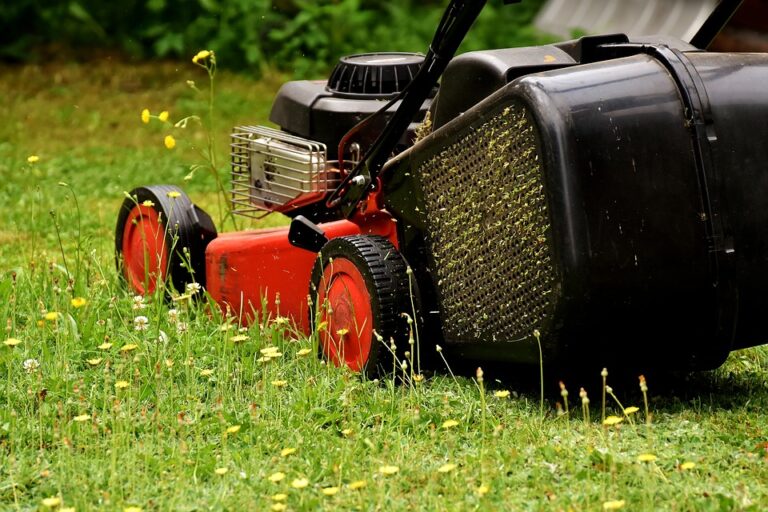
So, when my trusty old lawn mower started sputtering and coughing like a chain-smoking grandpa, I knew it was time to roll up my sleeves and dive in.
I popped the hood and took a look at the engine, and sure enough, it was a Briggs & Stratton. Now, I’d always heard that Briggs & Stratton engines were top-notch, but I wasn’t sure where they were made. As I stood there, staring at the engine and scratching my head, I couldn’t help but wonder…
Were these engines made in the USA, like so many other things I hold dear? Or were they just another example of American manufacturing being outsourced to some far-off land, like China or Mexico? I had to know, so I decided to do a little digging and find out the truth.
Made in the USA: A Proud Tradition
As it turns out, Briggs & Stratton has a long history of manufacturing engines in the United States. In fact, the company was founded way back in 1908 by Stephen Foster Briggs and Harold M. Stratton, and it has been cranking out engines on American soil ever since.
These days, Briggs & Stratton has plants in states all across the country, including Wisconsin, Kentucky, Alabama, and Missouri. In total, the company employs over 6,000 American workers and produces millions of engines every year.
But Wait…What About Those Chinese Engines?
Now, before you go and start singing the praises of American manufacturing, it’s worth noting that Briggs & Stratton does have a plant in China as well.
However, this plant is mainly used to manufacture engines for the Asian market, and a very small percentage of Briggs & Stratton’s overall production takes place there.
So, while it’s true that some Briggs & Stratton engines are made in China, the vast majority of them are still being produced right here in the good ol’ USA. And that, my friends, is something to be proud of.
Are Briggs & Stratton Engines Made in China?
Well, it’s a little complicated. Briggs & Stratton is an American company and they do have manufacturing facilities in the United States.
However, they also have facilities in other countries, including China. So, to answer the question, yes, some Briggs & Stratton engines are made in China.
Who Makes the Briggs & Stratton Engine?
Briggs & Stratton is the company that designs and manufactures the engines. They have been around since 1908 and are headquartered in Wisconsin, USA.
They are one of the largest producers of small engines in the world and are known for their high quality products.
Are All Briggs & Stratton Engines Made in the USA?
No, as mentioned before, Briggs & Stratton has manufacturing facilities in multiple countries, including the United States.
While they are an American company and do have a strong presence in the USA, not all of their engines are made here.
FAQs
Where can I find out where my Briggs & Stratton engine was made?
You can usually find this information on the engine itself or in the owner’s manual. It should have a label or sticker with the model and serial number, as well as the country of origin.
Does it matter where my Briggs & Stratton engine was made?
Not necessarily. Briggs & Stratton is a reputable company and they have strict quality standards in place no matter where their engines are made. However, some people prefer to buy American-made products, so it’s just a personal preference.
Conclusion: Briggs & Stratton is Still an American Icon
So there you have it, folks. While Briggs & Stratton is an American company, not all of their engines are made in the USA.
It’s always good to do your research and know where your products come from, but ultimately it’s up to you to decide what’s important to you. Happy mowing!