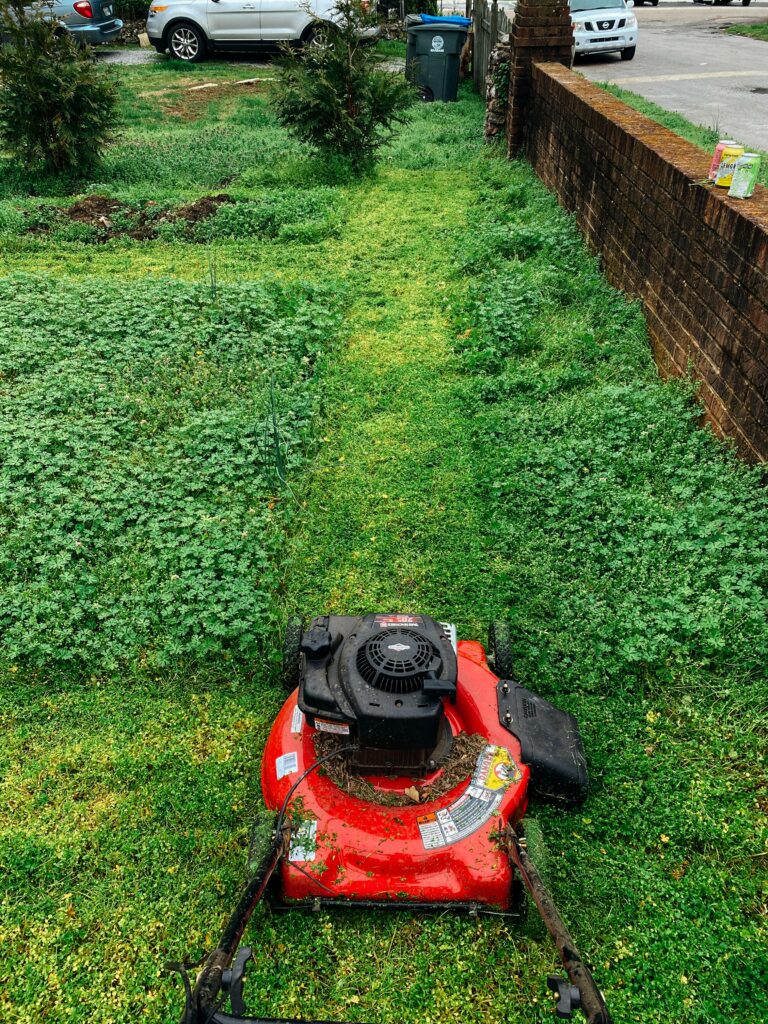

I’ll never forget the time I tried to use HEET in my lawn mower. For those of you who don’t know, HEET is a fuel additive that is designed to help prevent fuel lines and carburetors from gumming up. It’s often used in cars and trucks to help keep their fuel systems running smoothly.
So, when I noticed that my lawn mower was having some issues starting and running smoothly, I thought, “Hey, maybe HEET will help!” I figured it couldn’t hurt to give it a try.
Well, let me tell you, it was a mistake. As soon as I poured the HEET into the fuel tank and tried to start the lawn mower, it sputtered and died. I tried again and again, but no matter what I did, it just wouldn’t start.
I eventually had to take it to a mechanic to get it fixed, and it turns out that using HEET in a lawn mower was not a good idea. So, I thought I’d share my experience and some of the things I learned about using fuel additives in lawn mowers.
Can HEET be used in all types of lawn mowers?
The short answer is no, HEET (and other fuel additives) should not be used in all types of lawn mowers. In fact, it is generally not recommended to use any type of fuel additive in a lawn mower unless it is specifically recommended by the manufacturer.
Using fuel additives that are not specifically formulated for use in a lawn mower can cause a variety of issues, including problems with the fuel system and engine performance. It can also potentially void your lawn mower’s warranty, as using non-recommended additives can be considered improper maintenance.
So, if you’re considering using HEET or any other fuel additive in your lawn mower, it’s important to do your research and make sure it is safe and appropriate for your specific model.
What is the best fuel additive for lawn mowers?
The best fuel additive for lawn mowers is one that is specifically recommended by the manufacturer. This is because different lawn mowers have different fuel systems and may require specific additives to work properly.
In general, it is best to use a fuel stabilizer in a lawn mower to help prevent fuel from going stale and gumming up the carburetor. A fuel stabilizer can help to extend the shelf life of gasoline and keep it fresh, which can be especially useful if you don’t use your lawn mower very often.
There are many different brands of fuel stabilizers on the market, and it’s important to choose one that is compatible with your specific lawn mower. It’s also a good idea to follow the manufacturer’s recommended dosage and usage instructions to ensure that you are using the product properly.
Overall, it’s important to be careful when using any type of fuel additive in your lawn mower.
Conclusion
In conclusion, it is generally not recommended to use fuel additives in a lawn mower unless they are specifically recommended by the manufacturer. Using non-recommended additives can cause problems with the fuel system and engine performance, and it can also potentially void your lawn mower’s warranty.
Instead, it is generally recommended to use a fuel stabilizer in a lawn mower to help prevent fuel from going stale and gumming up the carburetor. Be sure to choose a fuel stabilizer that is compatible with your specific lawn mower and follow the manufacturer’s recommended dosage and usage instructions.
And remember, if you’re ever unsure about what to use in your lawn mower, it’s always best to consult with the manufacturer or a trusted mechanic. Trust me, it’s better to be safe than sorry (and avoid a disaster like I experienced with my HEET mishap).