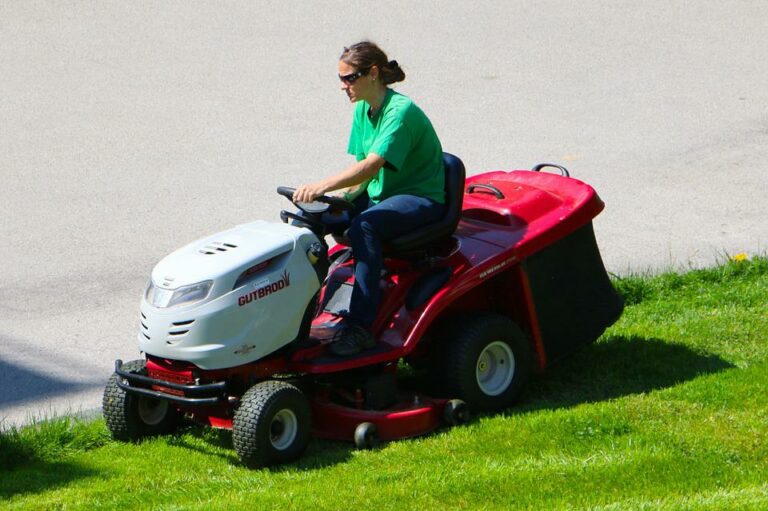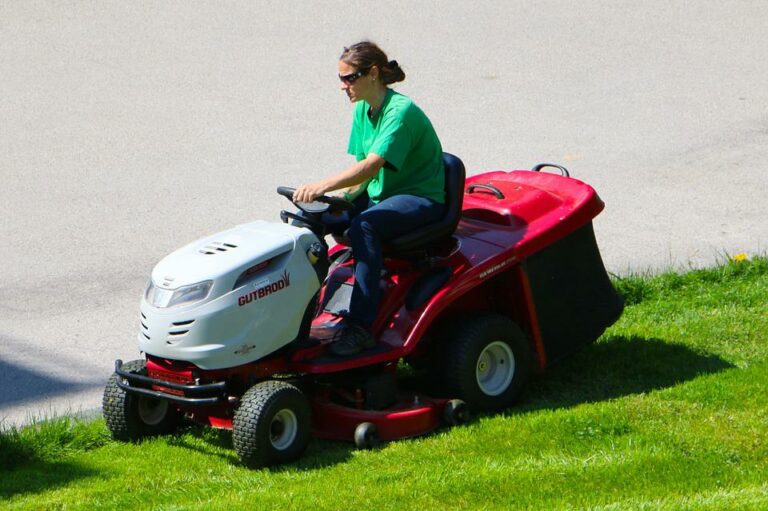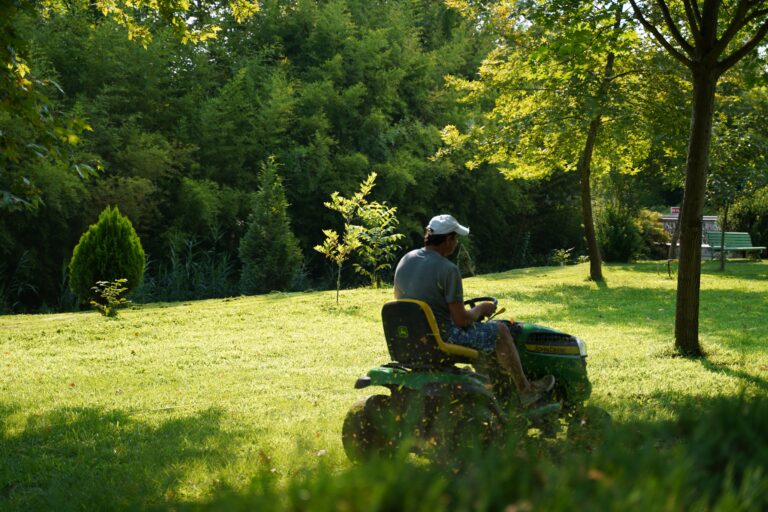

Hey there, it’s your boy Jeff here. I’ve been mowing my lawn for as long as I can remember, and let me tell you, I’ve definitely had my fair share of mishaps.
One time, I was mowing my lawn and I accidentally mowed over a rock. Let me tell you, that was a loud one.
The mower blade hit the rock and it sounded like a gunshot. My neighbor came running out of his house, thinking I was trying to murder him or something. It was a hilarious misunderstanding, to say the least.
But, in all seriousness, mowing your lawn can be a bit of a balancing act. On one hand, you want to get the job done as efficiently as possible.
On the other hand, you don’t want to rush and end up with a poorly-cut lawn. So, is it better to mow fast or slow? Let’s take a look.
What Speed Should You Mow?
When it comes to mowing your lawn, it’s generally best to mow at a moderate speed. If you mow too fast, you run the risk of scalping your lawn, which can leave unsightly bare patches and make your lawn more prone to disease.
On the other hand, if you mow too slow, it can take longer to get the job done and you may end up with a poorly-cut lawn.
So, what’s a moderate speed? Well, it really depends on the size of your lawn and the type of mower you’re using.
A good rule of thumb is to mow at a speed that allows you to get a clean, even cut without rushing. If you’re not sure what speed is best, start by mowing at a moderate pace and adjust as needed.
FAQ
Q: What speed should I mow at?
A: It’s generally best to mow at a moderate speed, which allows you to get a clean, even cut without rushing.
If you’re not sure what speed is best, start by mowing at a moderate pace and adjust as needed. Just be sure to avoid mowing too fast or too slow, as this can lead to problems like scalping or a poorly-cut lawn.
Q: Can I mow my lawn when it’s wet?
A: It’s generally not a good idea to mow your lawn when it’s wet. Wet grass can clump and leave unsightly clumps on the lawn. It can also be harder to push the mower through wet grass, which can lead to a poorly-cut lawn.
Plus, mowing when the grass is wet can increase the chances of disease and make your lawn more prone to fungus. If you absolutely must mow when the grass is wet, make sure to use a sharp blade and go slowly to avoid tearing or damaging the grass.
Conclusion: Find Your Groove
So, there you have it. A few tips and tricks for finding the best mowing speed for your particular lawn. Just remember to aim for a moderate speed that allows you to get a clean, even cut without rushing.
And, try to avoid mowing when the grass is wet, as this can lead to problems like clumping and disease. With a little practice, you’ll have a lawn that’s the envy of the neighborhood. Happy mowing!